Alien registration requirements are getting renewed attention in 2026, and many immigrants are understandably confused. Some people are already registered through a visa, green card, parole document, employment authorization, or another immigration process. Others may now have a clearer online path to register through USCIS. The problem is that the word “registration” sounds simple, but the consequences of guessing can be serious.
USCIS has established Form G-325R, Biographic Information (Registration), as part of an online process for certain unregistered noncitizens. DHS also finalized a rule related to alien registration and evidence of registration, with an effective date of June 29, 2026. For immigrants and families, this topic matters because it can involve online filing, biometrics, children turning 14, proof of registration, and possible legal consequences for false or incomplete information.
At Haley Nelson Law, immigration work has always centered on consultation, advocacy, and appeals. The archived HaleyNelson Law Office described representation before USCIS, Immigration Court, the Board of Immigration Appeals, the Administrative Appeals Office, U.S. District Court, and the Ninth Circuit Court of Appeals. That full-picture approach matters here because registration questions are rarely just paperwork questions. They may connect to status history, prior entries, removal concerns, criminal records, or pending immigration cases.
Important note: This article provides general information only. It is not legal advice, and reading it does not create an attorney-client relationship. If your immigration history is complicated, speak with a qualified immigration attorney before taking action.
Why Alien Registration Is Back in the Spotlight
Alien registration is not a brand-new idea. Federal law has long required many noncitizens in the United States to register under certain circumstances. What is different now is the renewed attention, the online registration process, and the way USCIS has created Form G-325R for people who may not have another direct registration pathway.
USCIS explains that many noncitizens have already satisfied registration requirements through existing immigration processes. For example, a person who entered with a visa, received a green card, was issued certain immigration documents, or completed fingerprinting through another process may already have evidence of registration. However, some people may not have a complete registration record. Those individuals should not assume they are exempt, and they also should not rush into filing without understanding the risks.
This is especially important because registration can require biographic information, identity details, address information, immigration history, and biometrics. Any information submitted to the government should be accurate and consistent with prior records. A mistake, omission, or false statement can cause problems beyond the registration process itself.
Who May Need to Register

The general rule discussed by DHS applies to many noncitizens who are 14 years of age or older, remain in the United States for 30 days or longer, and have not already been registered and fingerprinted through another qualifying process. Parents and legal guardians may also have responsibilities for children under 14. When a child turns 14 in the United States, a new registration or fingerprinting step may be required within a specific time period.
That does not mean every immigrant must file Form G-325R. Some people are already registered. Others may have another form of evidence. Some may fall within exceptions or special rules. This is why the first step is not simply filing online. The first step is reviewing whether you are already registered, whether you have proof, and whether filing a new registration form is actually required or advisable.
The 30-Day Rule
One of the key ideas in the registration requirement is the 30-day period. In general, many noncitizens who remain in the United States for 30 days or longer must be registered, unless they are already registered or fall under an exception. For someone who entered recently, the timeline may matter. For someone who has been in the United States for years, the question is usually whether they were registered through another process or whether there is a gap that needs careful review.
If you are unsure, do not rely only on social media, friends, or unofficial checklists. Immigration records can be complicated. Two people with similar stories can have different legal answers because of how they entered, what documents they received, whether they were fingerprinted, and what immigration history appears in government systems.
Children Turning 14
Families should pay special attention to children who turn 14 while in the United States. DHS has discussed registration and fingerprinting obligations for children reaching their 14th birthday, even when the child may have previously been registered in some way. For parents, this can be easy to miss because a child may already have immigration documents and still need an updated step after turning 14.
This is one area where timing matters. If your child recently turned 14 or will soon turn 14, review the child’s immigration documents and speak with an immigration professional if you are unsure what to do. A small deadline can become a bigger problem when families wait too long or submit the wrong form.
How Immigrants Can Prepare Without Making Costly Mistakes
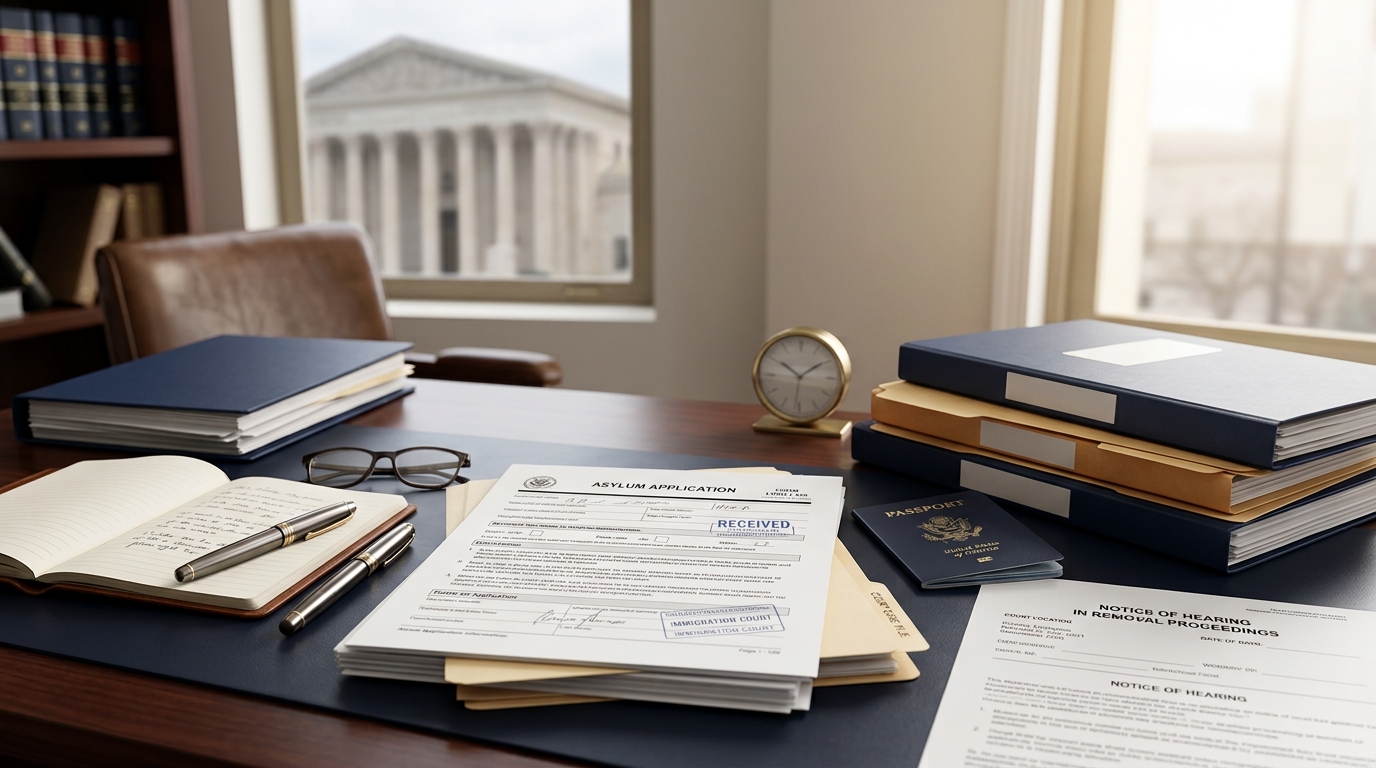
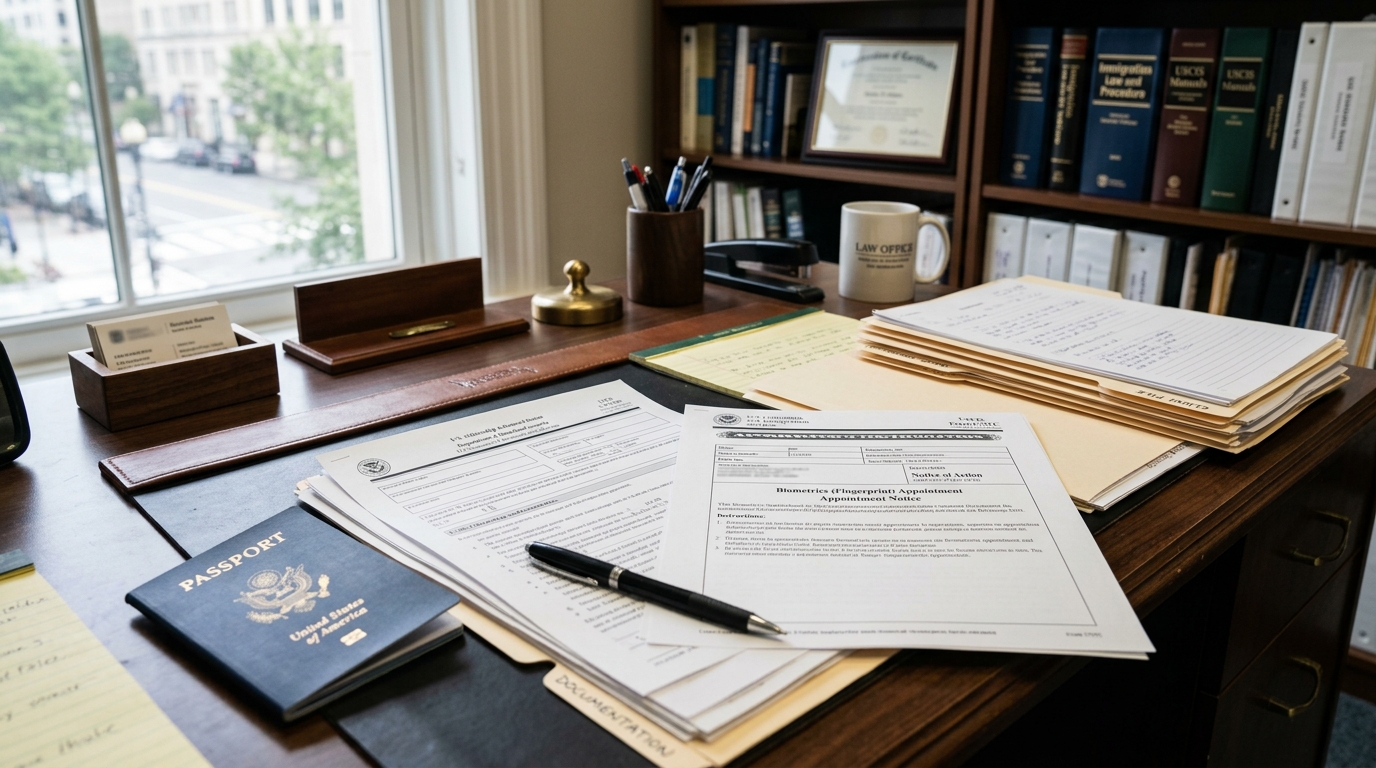
The safest approach is organized and honest preparation. Before filing anything online, gather your immigration documents. This may include passports, visas, I-94 records, green cards, employment authorization cards, approval notices, receipt notices, court documents, parole documents, prior applications, address history, and any biometrics appointment notices. If you have ever been arrested or cited, collect certified court records as well.
Next, compare your records. Look for differences in names, birth dates, entry dates, addresses, marital history, and prior answers on immigration forms. USCIS and DHS may compare new information with older records. If the new filing conflicts with previous government records, that inconsistency may trigger questions.
Applicants should also remember that online filing is still legal filing. It is not casual. When you submit information to USCIS, you are making statements to the U.S. government. Inaccurate answers can create immigration consequences. If you do not understand a question, if your history is complicated, or if you are afraid of what a truthful answer might mean, get legal help before submitting.
What Form G-325R and Biometrics Mean
Form G-325R is used to provide biographic information for registration and fingerprinting under the Immigration and Nationality Act. Depending on the person’s situation, USCIS may require biometrics, such as fingerprints, photographs, or other identity confirmation steps. Biometrics help the government confirm identity and conduct background and security checks.
For some immigrants, biometrics may feel routine because they have already attended appointments for green card applications, work permits, naturalization, asylum, or other immigration benefits. For others, biometrics may feel intimidating, especially if they have no current status or fear removal. That fear is understandable. But fear alone is not a strategy. The better strategy is to understand the legal risk before acting.
Carrying Proof of Registration

DHS has also discussed evidence of registration. In general, noncitizens 18 or older who are required to register may also be required to carry proof of registration in their personal possession. This is another reason people should understand what documents count as evidence and whether they already have acceptable proof.
Do not throw away old immigration documents. Keep copies of your notices, cards, approvals, and filings. Store digital copies in a safe place and keep originals protected. If you lose important documents, ask an immigration attorney what replacement process is appropriate before filing the wrong form.
When to Get Legal Help Before Filing
Some people may be able to review USCIS instructions and complete a straightforward registration process. But many immigrants should speak with an attorney first. Legal help is especially important if you entered without inspection, overstayed a visa, used another name, have a criminal record, missed immigration court, received a removal order, filed prior applications with inconsistent information, or have ever been accused of fraud or misrepresentation.
You should also seek help if you are currently in Immigration Court, have a pending appeal, have an asylum case, are applying for a green card, or are unsure whether registration could affect another immigration strategy. The wrong move can create problems in a future case. A careful review can help you avoid unnecessary risk.
Do Not Guess on Immigration History
Guessing is one of the most dangerous things an applicant can do. If you do not remember an exact date, do not invent one. If you are unsure whether you were fingerprinted, do not assume. If you do not know whether a document counts as proof of registration, verify it. Immigration cases are built on records, and records can often be obtained or reconstructed with help.
A good preparation process starts with facts. Build a timeline of your entries, exits, addresses, immigration filings, arrests, court dates, family changes, and major documents. Then compare that timeline with your actual paperwork. If there are gaps, identify them before filing.
For more details, USCIS provides official information about the Alien Registration Requirement. Because government guidance can change, always check the latest USCIS instructions before filing.
If you need support understanding your immigration options, visit the About us page to learn more about the firm. You can also return to the Haley Nelson Law Blog for future immigration updates, or visit the home page for general information.
Alien registration requirements in 2026 should be taken seriously. For some immigrants, the process may be simple. For others, it may raise complicated questions about immigration history, court history, family responsibilities, or future applications. The best move is not panic and not delay. The best move is careful review, accurate information, and legal guidance when the facts are not simple.