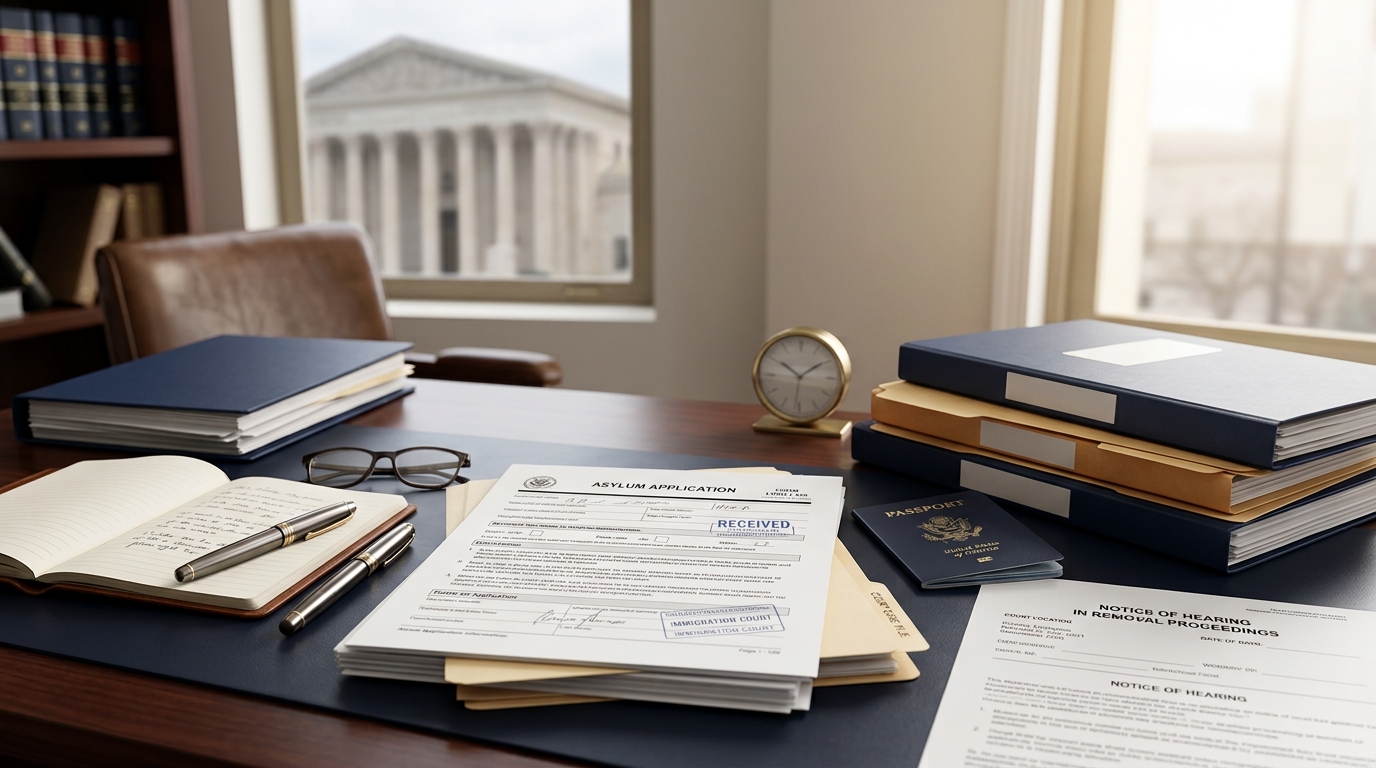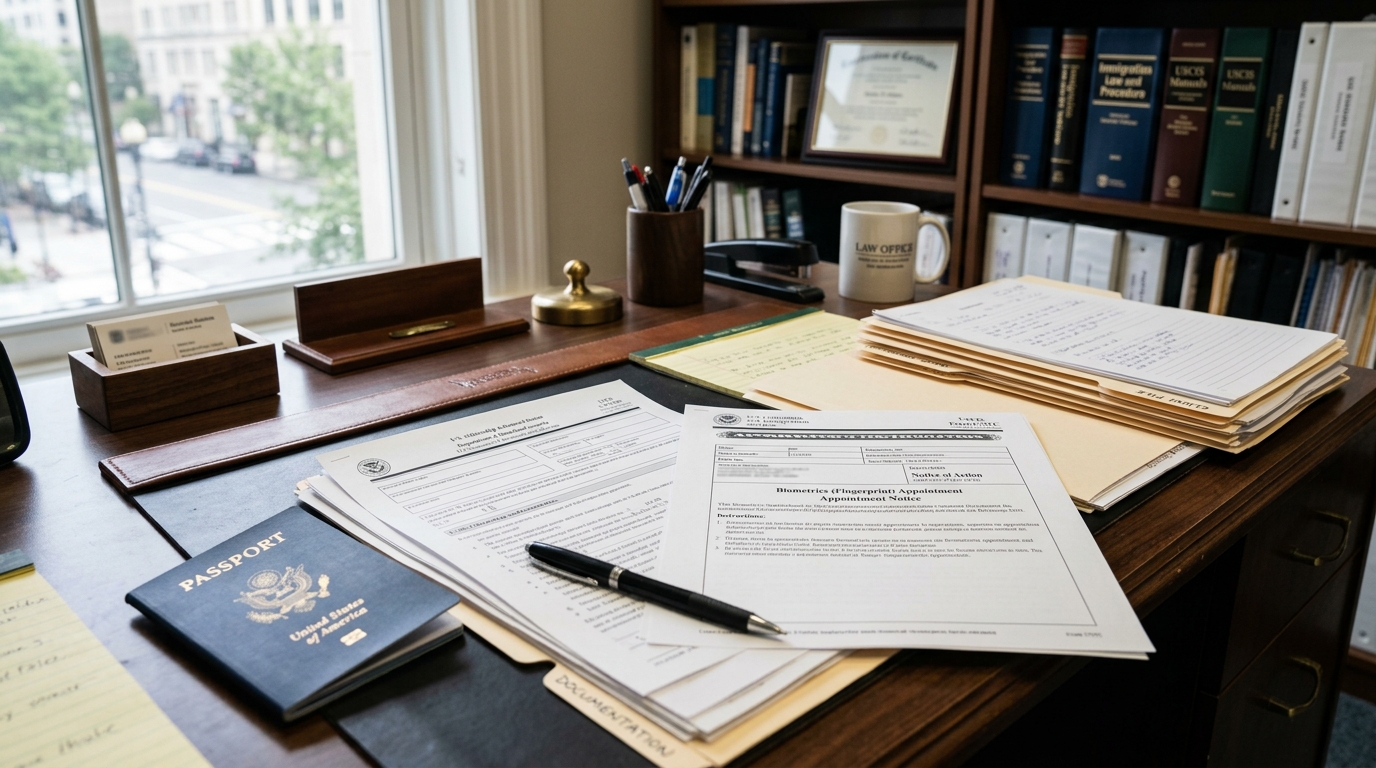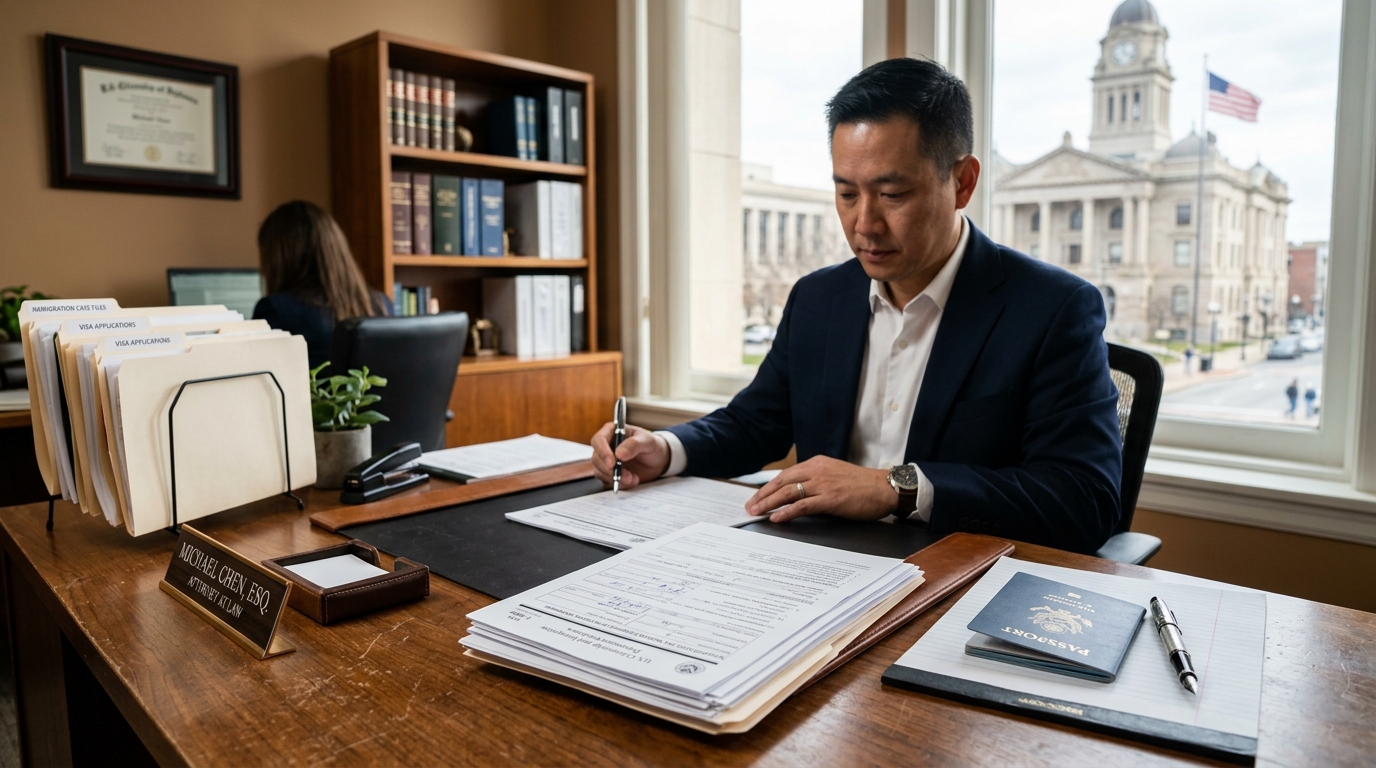
Asylum applicants in 2026 are facing a difficult mix of uncertainty, faster scheduling in some places, and long delays in Immigration Court. Some people may wait months or years before their case moves. Others may suddenly receive an interview notice or court hearing date and have only limited time to prepare. That is why asylum preparation should not begin when the notice arrives. It should begin as early as possible.
USCIS recently announced that a new Atlanta Asylum Office will conduct affirmative asylum interviews beginning July 8, 2026. At the same time, immigration court workload data continues to show heavy pressure on the system. For asylum seekers, this means one thing clearly: the process may be slow, but preparation cannot be slow.
HaleyNelson Law focuses on immigration and nationality law, including matters before USCIS, Immigration Court, the Board of Immigration Appeals, the Administrative Appeals Office, federal court, and the Ninth Circuit Court of Appeals. Asylum cases may involve several of those stages, especially when a case is delayed, denied, appealed, or connected to removal proceedings.
Important note: This article is general information only and is not legal advice. Asylum cases depend on specific facts, deadlines, immigration history, country conditions, prior statements, criminal history, and court procedure.
Why Asylum Preparation Matters in 2026
Asylum is not only about filling out a form. It is about proving that a person has suffered persecution or has a well-founded fear of persecution because of a protected ground. That may involve race, religion, nationality, political opinion, or membership in a particular social group. The applicant must be ready to explain what happened, why it happened, who caused the harm, whether the government was involved or unable to protect them, and why return would still be dangerous.
There are two main asylum paths. An affirmative asylum case is generally filed with USCIS by someone who is not currently in removal proceedings. A defensive asylum case is presented in Immigration Court by someone who is already in removal proceedings. Both paths require preparation, but the setting is different. USCIS interviews are handled by asylum officers. Immigration Court cases are heard by immigration judges.
Applicants should not assume that a delay means the case is safe or inactive. A case can sit for a long time and then move quickly. Evidence can become harder to collect over time. Witnesses may move, documents may be lost, and memories may fade. Waiting without organizing the case can weaken an otherwise serious claim.
USCIS Asylum Interviews Can Move Quickly
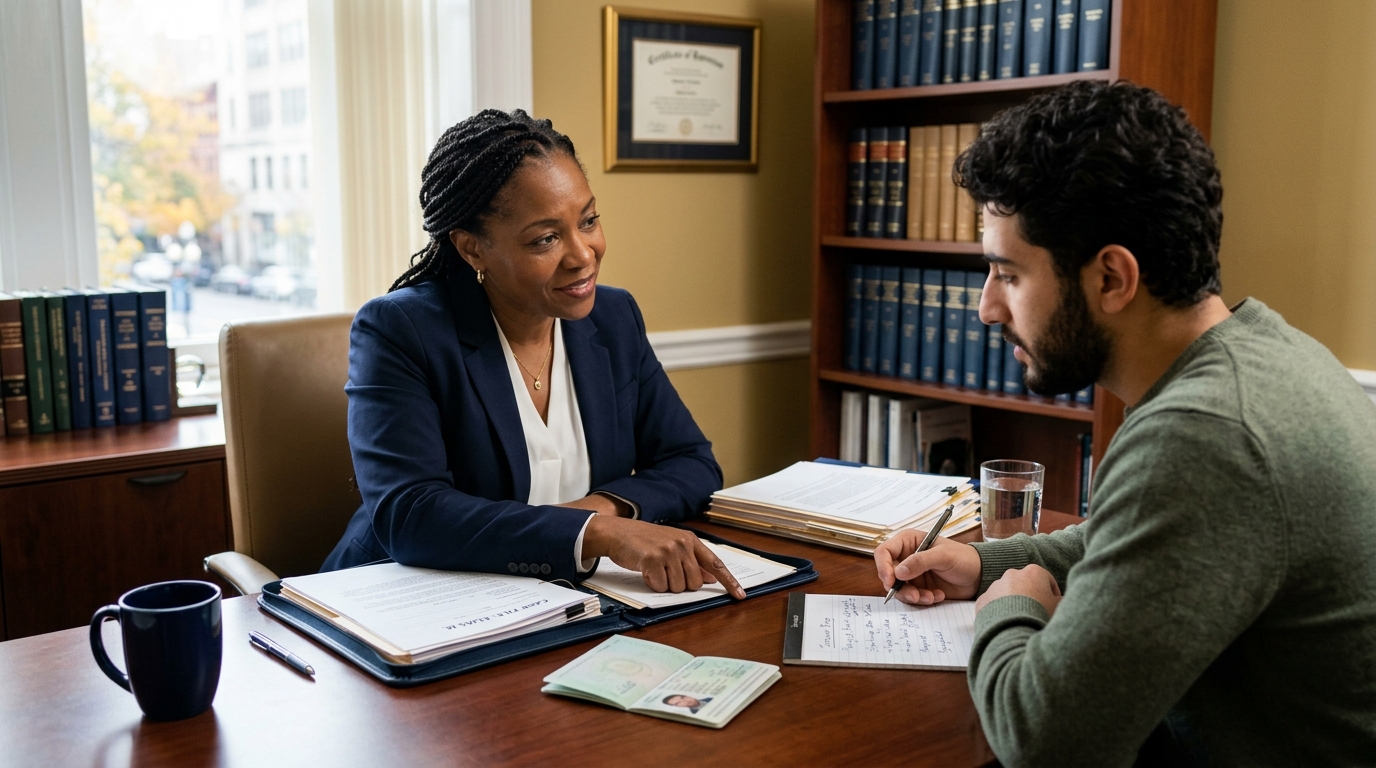
For affirmative asylum applicants, an interview notice can arrive sooner than expected, especially when USCIS changes local interview capacity or office jurisdiction. A person who has waited for years may suddenly need to prepare testimony, gather updated evidence, review the original filing, and confirm interview logistics.
During the interview, the officer may ask detailed questions about the written application, personal declaration, travel history, family members, arrests, prior immigration filings, and the reason the applicant fears return. The officer may also compare oral answers with previous statements. This is why consistency matters. If something in the application is incomplete or incorrect, it should be reviewed carefully before the interview.
Review Your Written Application Before the Interview
Applicants should read their Form I-589, declaration, and supporting documents before the interview. They should know what was submitted, what dates were listed, what incidents were described, and whether any facts need to be updated. The goal is not to memorize a script. The goal is to understand the case clearly and tell the truth in an organized way.
If there are errors, missing details, or changes since the original filing, applicants should speak with an immigration attorney about how to correct or supplement the record. Randomly changing facts at the interview without explanation can create credibility problems.
Keep Address and Notice Information Current
Address updates are critical. If USCIS or Immigration Court sends a notice to an old address, the applicant may miss an interview, hearing, or deadline. That can damage the case and may lead to serious consequences. Applicants should keep copies of every address update, receipt notice, interview notice, and court notice.
People with cases in Immigration Court should also check official court information regularly. Hearing dates can change. Court locations can change. Some hearings may be rescheduled. Applicants should not rely only on memory, rumors, or old paperwork.
Immigration Court Delays Do Not Mean the Case Can Wait
Defensive asylum applicants often face Immigration Court delays. A delayed hearing can feel frustrating, but it can also be used productively. Applicants can gather stronger evidence, update country condition reports, find witnesses, request records, prepare translations, and work with legal counsel on testimony.
Immigration Court is formal. A judge may review credibility, evidence, legal eligibility, filing deadlines, prior statements, criminal history, and whether the applicant meets the legal standard for asylum or another form of protection. A weak or disorganized presentation can hurt the case, even when the fear is real.
The Executive Office for Immigration Review publishes workload and adjudication statistics, and those numbers are updated as case data changes. Independent court data from TRAC has also shown that millions of immigration cases remain pending, including a large number of asylum cases. That backlog makes preparation even more important because applicants may wait a long time before finally having a full hearing.
Missing a Court Date Can Lead to Removal Orders
Missing an Immigration Court hearing is one of the most dangerous mistakes an applicant can make. If a person does not appear, the judge may issue an in absentia removal order. That means the case can move forward without the applicant present, and fixing the problem later may be difficult.
Applicants should arrive early, bring all notices, keep copies of filings, and make sure they understand whether the hearing is in person, by video, or by phone. If an emergency prevents attendance, legal help should be sought immediately. Ignoring the hearing is never a good strategy.
Practical Steps to Strengthen an Asylum Case
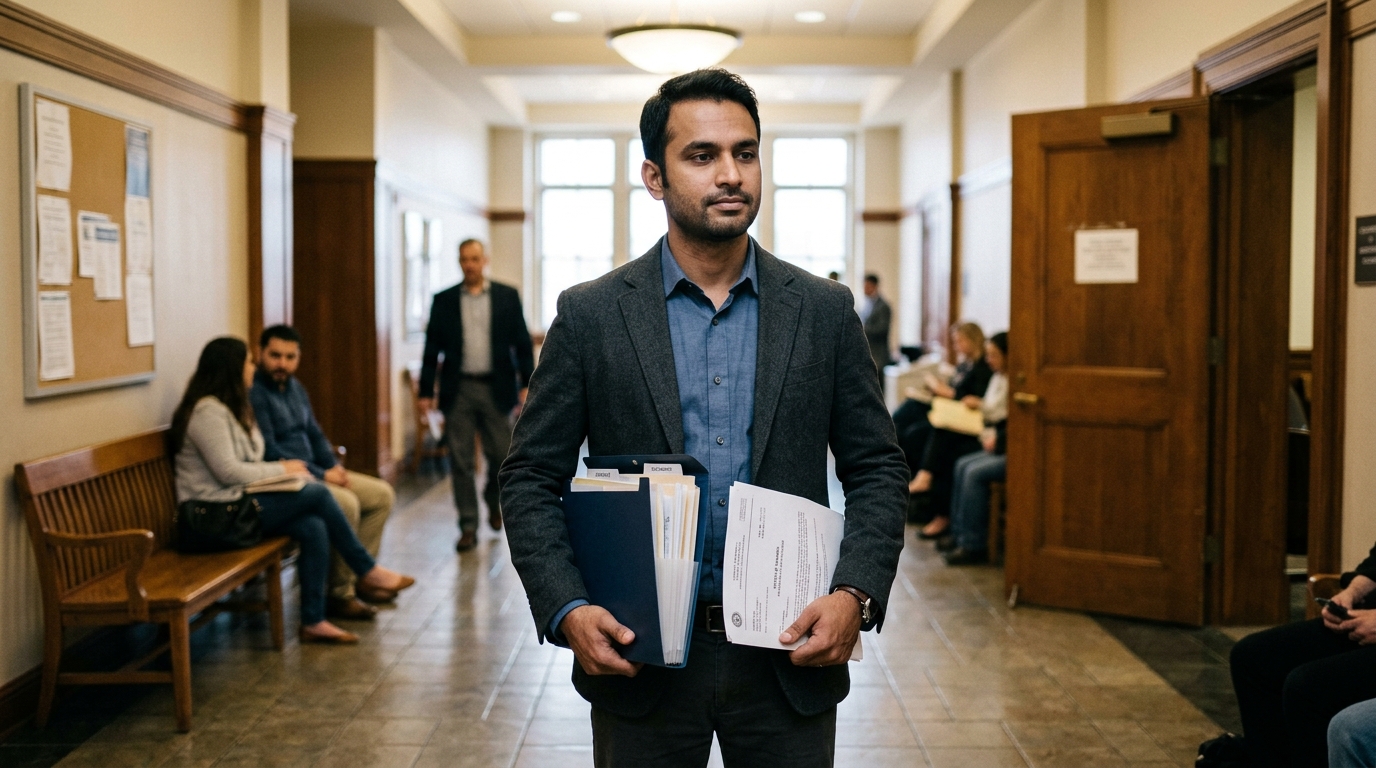
A strong asylum case starts with a clear timeline. Applicants should write down important events in order, including threats, attacks, arrests, police reports, political activity, family harm, travel dates, and reasons for leaving the country. Dates should be as accurate as possible, but applicants should avoid guessing when they do not know.
Evidence should be organized by topic. Useful evidence may include identity documents, medical records, police reports, photographs, threatening messages, witness letters, membership proof, news articles, expert declarations, psychological evaluations, and country condition reports. Not every applicant will have every type of evidence. Some people flee quickly and cannot bring records. If documents are missing, the applicant should be ready to explain why.
Translations also matter. Documents not in English usually need certified English translations. Poor translations can confuse the record and make evidence harder to use. Keep originals, translations, and copies together in a clean folder or digital file.
Evidence, Testimony, and Legal Strategy
Asylum cases often turn on credibility. The applicant’s testimony should match the written application, prior immigration records, border statements, visa applications, affidavits, and supporting evidence as much as possible. Some differences may be explainable, especially when trauma, language barriers, or memory issues are involved. But major contradictions can create problems.
Applicants should also understand the legal theory of their case. It is not enough to say that conditions in the home country are dangerous. The case must connect the feared harm to a protected ground. This is where legal strategy matters. The same facts may be presented poorly or presented clearly, depending on how the claim is organized.
For official information about asylum, applicants can review the USCIS asylum information page. People in removal proceedings should also pay attention to EOIR notices and official Immigration Court instructions.
When to Contact an Immigration Attorney
Applicants should consider speaking with an immigration attorney if they have an upcoming interview, Immigration Court hearing, prior removal order, missed deadline, criminal record, inconsistent past statements, or fear that the original asylum application is incomplete. Legal help is also important when a case may involve appeal work before the Board of Immigration Appeals, federal court, or the Ninth Circuit.
An attorney can help review the application, organize evidence, prepare testimony, identify legal weaknesses, and respond to government concerns. This does not mean every case becomes easy. It means the applicant is not walking into the process unprepared.
Asylum interviews and Immigration Court delays can be overwhelming, but applicants still have control over preparation. Keep documents organized. Update addresses. Review the written application. Track hearing dates. Gather evidence early. Ask questions before deadlines arrive. A delayed case should not become a neglected case.
To learn more about the firm, visit the About HaleyNelson Law page. You can also read more immigration updates on the HaleyNelson Law Blog or return to the homepage.