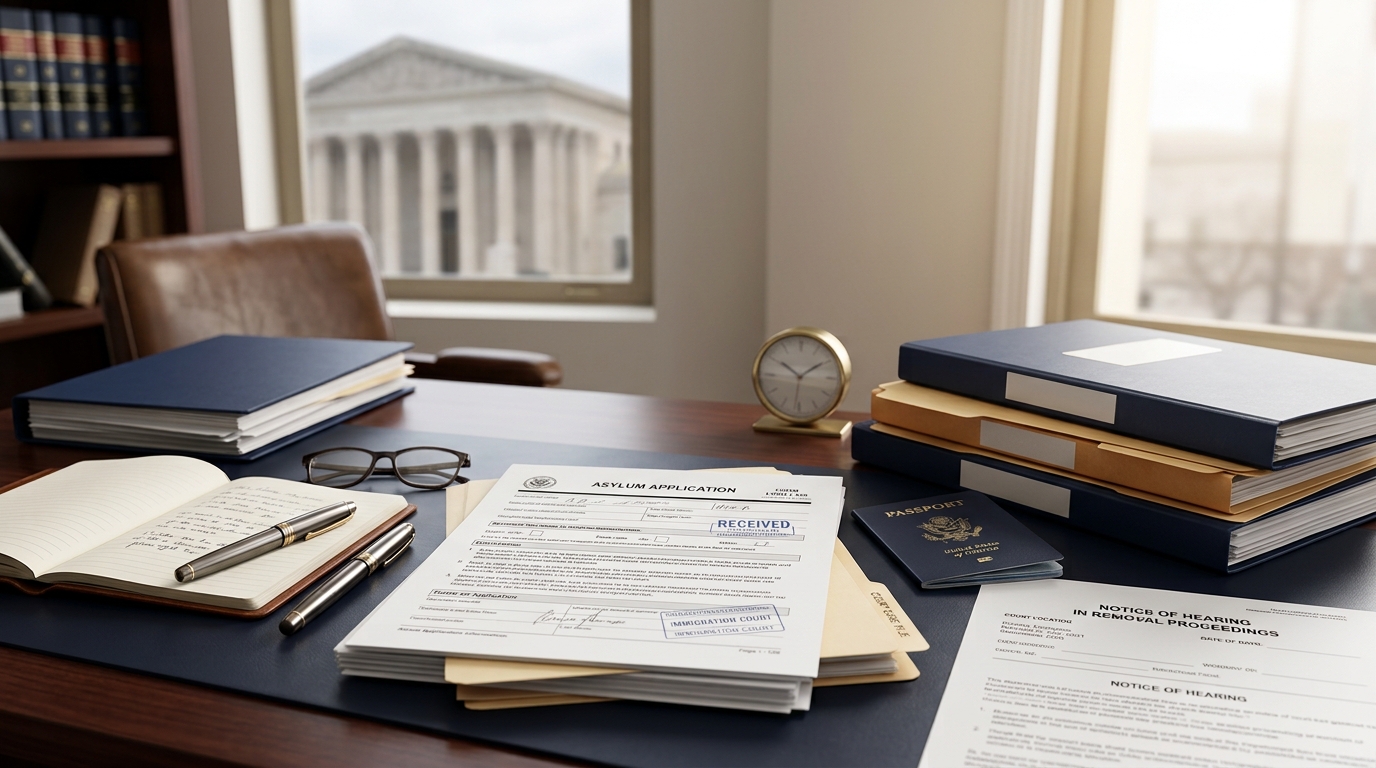
Readers researching USCIS request for evidence vs NOID need practical distinctions, reliable sources and a clear next step. The answer often depends on the circumstances, what can be verified and which professional or official instructions apply. This immigration & appeals guide focuses on the decision points people can actually investigate, rather than promising a universal result.
It is easy to focus on an insurer’s first answer or a single legal term, but the useful questions are more specific: what happened, which rules apply, what evidence survives, and what deadlines are approaching? This guide explains the practical distinctions without claiming that the result of any individual case is predetermined.
Why an RFE and a NOID are different notices
A USCIS request for evidence, commonly called an RFE, and a notice of intent to deny, or NOID, are both serious communications. Neither should be treated as an automatic final denial. Their purpose and legal posture differ, however. A response should start by reading the notice line by line, identifying the benefit requested, and preserving a complete copy of the agency’s exact wording. An accurate timeline matters more than a dramatic description. Record what was known on the day, what became clear later, and who supplied each piece of information. An insurance position or police summary is not automatically the final legal finding. Keep originals, preserve uncertainty, and do not guess at missing details. For further context, review HaleyNelson Law information.
USCIS can request evidence when the submitted record does not sufficiently establish eligibility. A NOID generally sets out reasons the agency proposes to deny and provides an opportunity to rebut them. These are not interchangeable templates. The issues might concern identity, eligibility dates, prior filings, discretionary factors, or documentary inconsistencies that require a distinct response strategy. Before relying on any general rule, check which jurisdiction, deadline, coverage agreement, and type of claim actually applies. A useful article should separate a possible legal theory from proof that its elements are satisfied. A legal professional can review whether exceptions or procedural prerequisites change the analysis.
Read what the agency is actually questioning

The notice itself governs the response deadline and submission instructions. Mailing and delivery risks deserve attention, and a case status web page is not a substitute for the official communication. If a notice seems missing, use USCIS’s verified inquiry process promptly. Keep a calendar with buffer time, especially if evidence must be requested from overseas. Build a folder containing dated photographs, correspondence, relevant policy pages, receipts, and a simple index. Save originals separately from annotated copies. A consistent record can help an independent reviewer understand the event without assuming that one screenshot or one witness statement tells the entire story.
An RFE asks for missing or additional proof
An effective response starts with a short cover letter linking each agency concern to corresponding records. Label exhibits consistently and explain what each document proves. Do not assume a stack of photographs, affidavits, or statements solves a technical eligibility issue. If an agency questions a specific date, answer that date with reliable corroboration and a clear explanation. Consider what an opposing explanation would look like. Were there multiple contributing causes, conditions that changed over time, or documents pointing in different directions? Testing a claim against those alternatives produces a more reliable picture than choosing the first explanation that feels intuitively correct.
A NOID explains a proposed denial
Translations, affidavits, and copies should follow the applicable USCIS instructions. A document’s apparent credibility depends on context: who prepared it, when it was created, and whether its information agrees with other records. Correct mistakes accurately rather than hiding them. False statements or altered records can create problems far greater than the original missing evidence. Avoid sharing sensitive records publicly or submitting unnecessary personal identifiers through unverified forms. Contact organizations through verified channels, document what was requested, and preserve confirmation numbers. Online resources can explain a process, but only a qualified professional who reviews your facts can advise on a particular case.
A response should not make unsupported legal concessions merely to appear cooperative. If USCIS cites a particular regulation, adjudication standard or prior finding, identify what that citation means and whether the record actually addresses it. Qualified counsel can frame a legal response without obscuring the factual evidence.
Choose evidence that answers each issue
An RFE does not necessarily mean an application is weak, and a NOID does not guarantee denial. But the risk cannot be estimated from the label alone. Immigration categories have different requirements; a discretionary issue differs from a purely documentary deficiency. For complex histories, qualified immigration counsel should review the complete prior record, not just the latest notice. A single day rarely captures the whole consequence of an accident. Treatment may evolve, repairs may reveal hidden damage, and an employer may need updated work restrictions. Maintain dated records without exaggeration, and do not sign a broad release until the financial and legal implications are understood.
When foreign records are difficult to obtain, start the search early and document inquiries. Whether secondary evidence is acceptable depends on the benefit and evidentiary rules. The goal is not to invent substitutes, but to show what was attempted and to supply alternatives that the governing instructions genuinely permit.
Build a careful immigration response

Applicants should preserve prior notices, receipt numbers, filed forms, delivery confirmations, and relevant government correspondence. A response matrix can list each question, the available evidence, the missing evidence, and the person responsible for obtaining it. That makes gaps visible early and gives counsel time to decide whether a legal brief or additional declarations are warranted. When there are conflicting statements, compare their timing and sources rather than labeling one person dishonest. Identify photographs, recordings, electronic records, and independent observations that may resolve the difference. Evidence is strongest when it is preserved lawfully and can be traced to its original source.
Protect deadlines and future options
Following submission, save the entire response package and tracking confirmation. Watch for follow-up notices, interview requests, or decisions through official channels. Do not rely on unofficial social media timelines to predict an outcome. If the agency issues a denial, the availability of a motion, appeal, refiling, or other remedy depends on the benefit and the decision notice. Write a short list of questions before speaking with a claims handler, agency, or lawyer. Ask which documents are missing, what response deadlines apply, and how decisions will be communicated. Keep a record of the answer and request important explanations in writing when practical.
Use a response matrix rather than a document pile
Consider a family-based filing where a foreign civil record contains a spelling difference. The correct response may require an official record, a reliable translation, and a careful explanation, not merely more family photographs. By contrast, a proposed denial based on inadmissibility could raise legal questions beyond simple document collection. A tailored strategy matters. No article can promise a settlement amount or outcome. Legal standards, evidence, insurance contracts, and individual circumstances control the analysis. Use the guidance here as a preparation checklist, and seek case-specific advice before deadlines expire or a final agreement is signed.
Do not assume an appeal fixes a missed response
After filing, an applicant should monitor the correct case and contact information, not submit duplicate copies impulsively. A move or changed email address can create notification problems if agency procedures are not followed. A careful administrative checklist protects an otherwise sound response from avoidable delivery mistakes.
It may help to ask a professional to review the package from the perspective of an adjudicator who has limited time and many records. Are the key facts visible in the first pages? Do exhibit labels match the cover letter? Are disputed statements explained rather than ignored? This quality check often identifies gaps that were obscured during frantic document collection.
Quick reader check: Is the decision based on the correct jurisdiction? Are source documents preserved? Is an important assumption being presented as certain? Which deadlines are confirmed, and which still need verification? These four questions can identify avoidable gaps before an insurer, agency or attorney makes a consequential decision.
For authoritative context, consult USCIS – non-delivery of notices. Its scope and limitations should be considered alongside the specific facts; the link is not a substitute for professional or local instructions.
The best next step is a clear file and an accurate set of questions. Separate documented facts from assumptions, verify the governing deadlines and seek advice from a qualified professional when legal rights or settlement obligations are at stake. This article is general information, not individual legal advice or an offer of representation.